
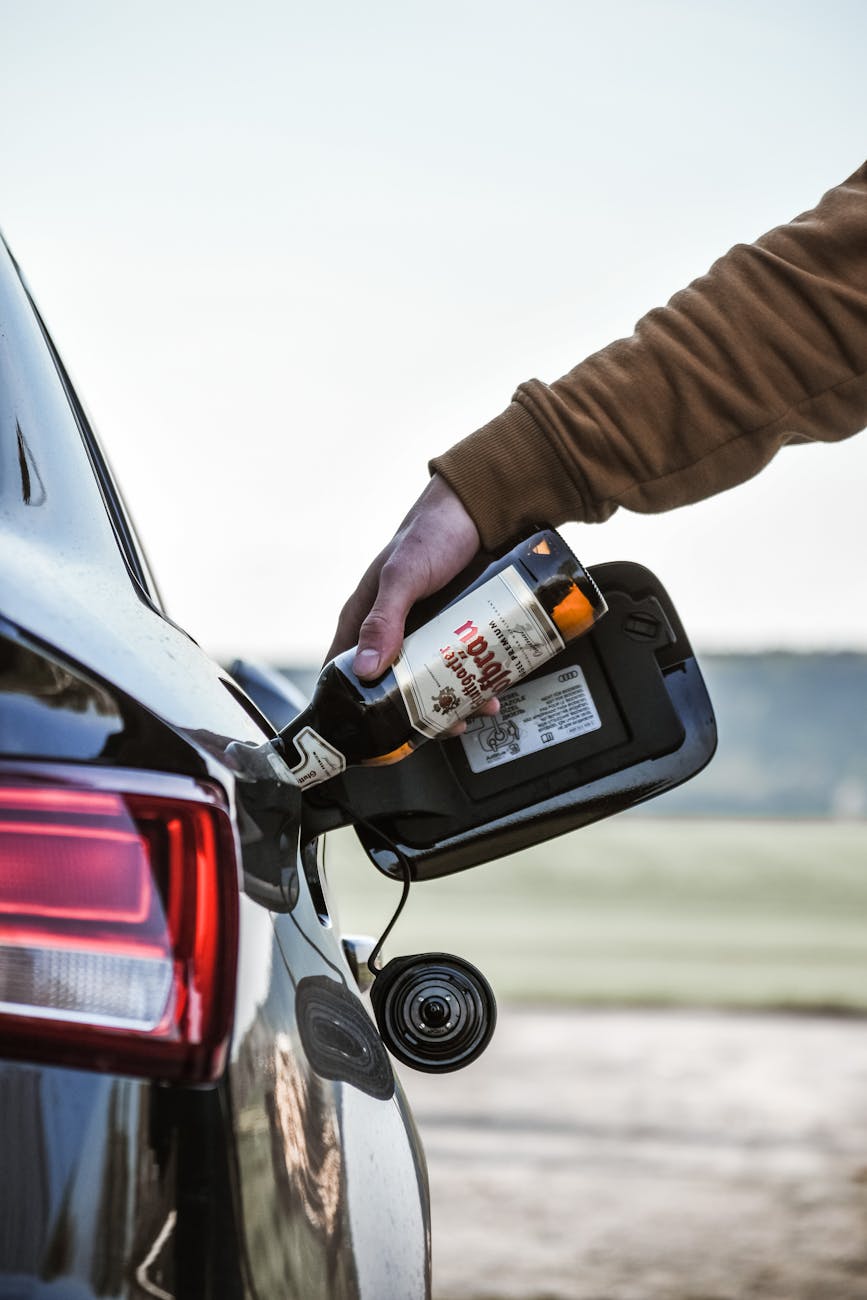
Sometimes people charged with drink or drug driving claim that they did not realise they were intoxicated. This might sound like the equivalent of the ‘dog ate my homework’ excuse, but in a situation where someone’s drink is spiked, or they are accidentally served cocktails instead of mocktails, a person might well have a legal defence to a drink driving charge, with this defence known as ‘mistake of fact’.
Similarly, in relation to drug driving, some people have successfully raised the ‘mistake of fact’ defence in circumstances where they believed they would not test positive for an illicit drug. But what is the mistake of fact defence, and what evidence is needed for it to be successful?
The ‘mistake of fact’ defence
The mistake of fact defence will be successful where a court can be satisfied that the accused person made an honest and reasonable mistake about a key fact relevant to their allegedly criminal conduct. To break that down, the requirements are:
- They honestly, genuinely believed a particular thing was true;
- Their belief that it was true was reasonable in the circumstances; and
- If the facts had actually been what they believed them to be, their conduct would not have been a crime.
The rationale behind this defence is that people should not be punished for crimes they committed because of a genuine and reasonable mistake – the mistake makes them less morally culpable. It is important to note that a mistake of fact is different to a mistake of law – a mistake of law (ie, either not knowing something is illegal or being mistaken as to the content of the law) is not a defence. So, for example, if someone did not know it was illegal to drink drive, that would be a mistake of law rather than a mistake of fact, and the defence would not be available.
Drink driving
Most drink driving offences relate to having a blood alcohol content (BAC) over a certain level. For people on their full licence across Australia, it is typically an offence to drive with a BAC of (or over) 0.05 %. The penalties for drink driving offences escalate in severity depending on how high a person’s BAC was at the time of the offending.
However, if someone’s drink is spiked or they think they are consuming alcohol-free drinks, they may have an honest and reasonable belief that they would have a zero BAC if tested. Whether their mistake was in fact honestly held and reasonably so would always depend on the particular circumstances of the case. It may be harder for a court to be satisfied that the person’s belief was reasonable if they should have realised they were experiencing the effects of alcohol consumption. For example, if someone thought they had been consuming alcohol-free drinks but they were slurring their words or unable to walk in a straight line when they got behind the wheel, their belief may not have been reasonable.
Drug driving
The mistake of fact defence may apply in a similar way to drug driving. Indeed, one accused person was found not guilty of drug driving because he had an honest and reasonable – though mistaken – belief that he would not test positive to a drug, in circumstances where a police officer had previously told him he should wait at least a week after smoking cannabis before driving. The accused later relied on that advice, waiting nine days after smoking cannabis before he drove, but traces of THC were detected during a roadside test and he was charged. The magistrate hearing the case was satisfied that the accused was no longer affected or impaired by the drug at the time of the offence, and in any event had an honest and reasonable belief that drugs would not show up in his oral fluid (which is the way roadside tests for drugs are conducted) so long after him using cannabis.
Conclusion
There are calls to amend drug driving laws to ensure people are only penalised where they are actually impaired by the drug, at least where cannabis is concerned. Impairment tests are based largely on whether the condition of the person was inconsistent with being able to have proper control of a motor vehicle, rather than the mere presence of drugs in their system. A further complicating factor is that laws which criminalise having any level of illicit drugs in your oral fluid or blood were created at a time when medicinal cannabis was not legal. Given this development, amending drug driving laws to focus on the likely level of impairment (rather than mere presence of drugs in the system) would arguably bring drug driving laws into line with drink driving laws, ensuring consistency and coherence.
Note that the content of this blog is based on the law at the date of publication in Western Australia, does not apply in all jurisdictions, does not constitute legal advice, and should not be relied upon. You should seek legal advice in relation to any particular matters you may have. All opinions expressed are our own, not necessarily those of any organisations with which we are connected.
 LAW irl
Leave a comment