
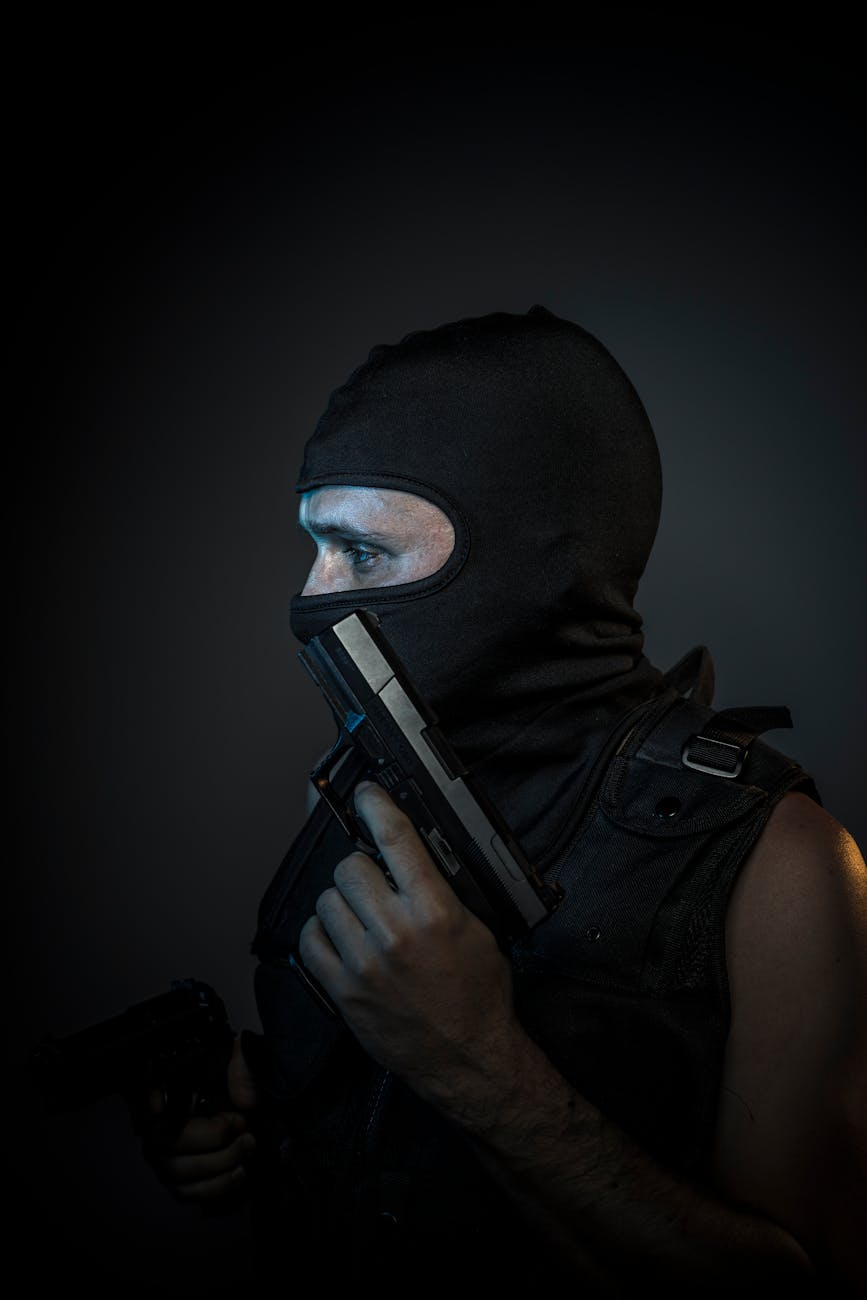
Videos of public ‘pranks’ have become a popular form of content on TikTok and YouTube. Many of these pranks involve approaching strangers, shouting at them, pretending to threaten them, or staging fake crimes in public to capture their reactions on camera.
Occasionally, these pranks go badly wrong. In 2021, a 20-year-old man named Timothy Wilks was shot and killed in Nashville while filming a YouTube prank. Wilks and a friend approached strangers in a parking lot while pretending to rob them with butcher knives as part of a staged video. One of the people they confronted pulled out a gun and shot Wilks, later telling police he believed the robbery was real and that he acted in self-defence.
Stories like this raise an important legal question. If someone kills another person because they genuinely believe they are under attack – but the ‘attack’ was actually a prank – would that person be guilty of a crime like murder or manslaughter under Australian law? To answer that question, we need to think about how the criminal law treats self-defence.
Self-defence and the law: when does it apply?
In Australia, a person is not criminally responsible for an offence if the defence of ‘self-defence’ applies. While the precise wording varies slightly between jurisdictions, the basic principles of self-defence are the same across Australia. A person will usually be acting in self-defence if:
(1) they reasonably believed their actions were necessary to defend themselves (or another) from a threat; and
(2) their response was reasonable in the circumstances as they perceived them.
In most cases where a person argues they acted in self-defence, the threat of harm they faced was real. For example, they might have been involved in a genuine physical altercation or an attacker approached them with a real weapon and posed a real threat. But in situations like prank robberies or staged assaults, the ‘threat’ was never real. So can a person still argue they acted in self-defence when there was no actual threat of harm?
If the person being pranked did not know it was a prank, the law may still treat their actions as self-defence. If someone genuinely thinks they are about to be seriously hurt, a court may conclude that they were entitled to defend themselves – even if the supposed attacker was actually filming a prank video.
What matters is whether the accused person reasonably believed they were facing danger that justified their use of force. This means the law does not require the threat to actually be real. Imagine someone suddenly runs towards you in a dark car park waving what appears to be a knife and shouting threats. If you respond with force because you believe you are about to be attacked, the law generally assesses your actions based on how the situation appeared to you at the time, provided your interpretation was reasonable in the circumstances. This principle recognises that people confronted with sudden threats may not have the luxury of calmly analysing whether the danger is genuine.
The limits of self-defence
But self-defence has limits. Courts will examine the circumstances carefully before deciding whether a person’s actions were legally justified on the basis of self-defence. There are three key inquiries:
The first inquiry is whether the accused person actually believed that using force was necessary to protect themselves from a genuine threat. If the evidence shows that the accused did not really believe they were in danger, the defence will fail. Courts therefore look closely at the surrounding circumstances to determine what the accused person believed at the time. If the accused was aware that the situation was part of a prank but chose to use force anyway, self-defence would not apply. Therefore, if the surrounding evidence suggests that the accused had time to realise the situation was not a real threat, the claim of self-defence becomes harder to establish.
The second inquiry is whether the accused person’s belief was reasonable. Even if the accused genuinely believed they were in danger, self-defence will not be successful if that belief was unreasonable. The court needs to be satisfied that their belief was based on reasonable grounds. In a prank scenario, the prosecution might argue that the situation was obviously a joke. For example, a court might consider whether the prankster immediately revealed that the situation was staged, whether other people present were laughing or filming with visible cameras, or whether the conduct was inconsistent with a genuine attack. If there were no reasonable grounds for the accused person’s belief that they were in danger, the defence will be unsuccessful.
The third inquiry is whether the accused person’s response was reasonable in the circumstances as they believed them to be. The law also asks whether the person’s response (eg, by assaulting or killing the perceived attacker) was reasonable. This does not mean the court examines the situation with perfect hindsight. Instead, the law recognises that people confronted with sudden threats may have to react quickly and under stress. This question includes consideration of whether the force used was proportionate to the danger that the accused believed they were facing. For example, if the accused person’s response goes far beyond what was necessary to avert the perceived threat, self-defence may not apply. Courts may consider factors such as the nature of the threat, the level of force used, whether the accused had other realistic options (such as retreating), and how quickly the situation unfolded. They may also consider whether the accused continued using force after the perceived danger had passed. In other words, the law allows people to defend themselves when they reasonably believe they are under attack. But the force used must still fall within the range of what the law considers a reasonable response to the threat as it appeared to the accused.
Could the prankster be criminally liable?
Ironically, situations like this may expose the prankster – rather than the person who fought back – to criminal liability (if the prank had not ended in their death). Pretending to commit a robbery, threatening someone, or staging a fake assault in public can itself amount to a criminal offence. For example, in 2016, Australian YouTubers Mariwan Jalal and Arman Jalal pleaded guilty to behaving in an offensive manner after they filmed prank videos including fake drive-by shootings and suicide-bomber stunts.
Pranks like these are also inherently risky. If someone deliberately creates a situation that looks like a violent attack, it is not surprising that others may respond with force. The rise of prank TikTok and YouTube videos that involve fake crimes or threats is concerning, as they are risky (and potentially traumatising) both for the pranksters and the victims of the prank.
Conclusion
If someone kills another person while genuinely believing they are defending themselves from a violent attack, Australian criminal law may treat that killing as justified on the basis of self-defence. The fact that the ‘attack’ was actually a prank does not automatically make the person who fought back criminally responsible. What matters is whether they reasonably believed they were in danger and whether their response was reasonable in the circumstances they believed.
When someone deliberately creates a situation that looks like a real crime, they may also create a situation where another person feels they have no choice but to defend themselves. Pranks like these are not only risky but also potentially against the law.
Note that the content of this blog does not apply in all jurisdictions, does not constitute legal advice, and should not be relied upon. You should seek legal advice in relation to any particular matters you may have. All opinions expressed are our own, not necessarily those of any organisations with which we are connected.
 LAW irl
Leave a comment