
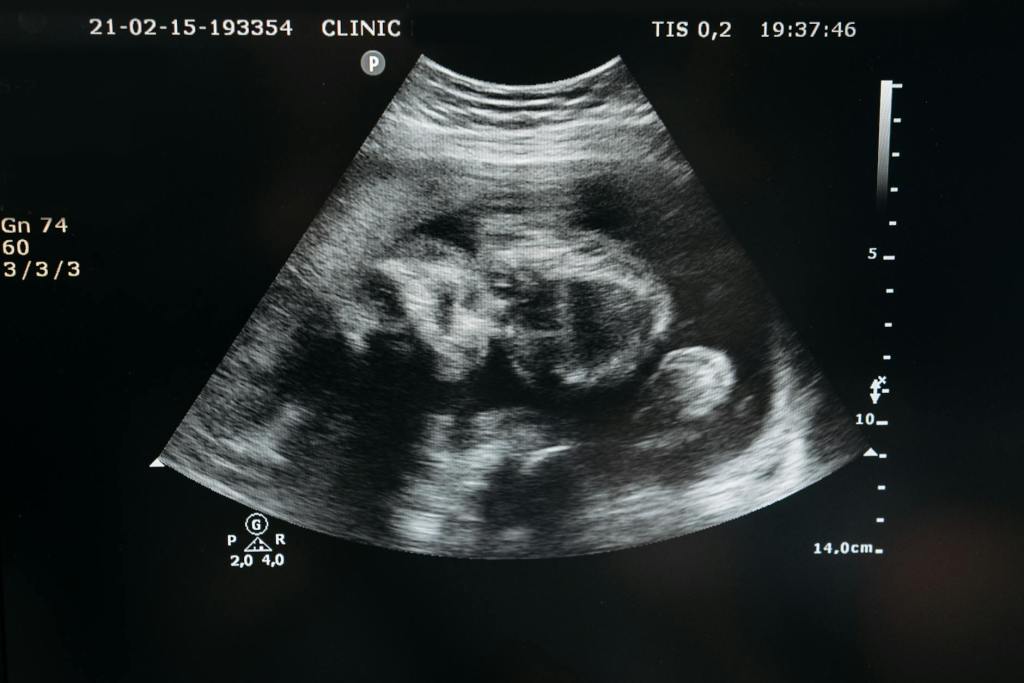
A woman in the US state of Georgia is suing an IVF clinic after she carried to term an embryo made of another couple’s gametes. After raising the child for five months, the woman was forced to give up ‘custody’ to the child’s genetic parents.
This is not the first time something like this has happened in the US. But what if this happened in Australia? Well, it’s likely that both the birth parent and the genetic parents could bring a negligence action against the fertility clinic (eg, for psychiatric harm suffered as a result). But the more difficult question is ‘how might an Australian court deal with such a dispute about parentage?’
We don’t use the phrase ‘custody’ in Australia, we use ‘parenting arrangements’ – this language better reflects what children are: human beings, not property! We also have two distinct concepts in Australia – legal parentage and parental responsibility. Anyone involved in the care and welfare of a child can be allocated parental responsibility, whereas a legal parent is whoever is listed on a child’s birth certificate. Normally when we talk about the ‘parent’ of a child, we mean their legal parent. This is not a distinction made in the US, and parents can also petition a court for parentage (ie, a document that states that they are the legal parent of the child).
When it comes to the use of assisted reproductive technology like IVF in Australia, the law makes certain presumptions about legal parentage. These presumptions mean that regardless of whose genetic material is used to create an embryo, the person giving birth to the child is deemed to be the mother, and if they have a partner then their partner is deemed to be the other parent.
So, if this happened in Australia, the genetic parents of a child born in these circumstances would not be considered the legal parents. Instead, the person who gave birth to the child, in this case Krystena Murray, would be the legal parent. The genetic parents could apply for parental responsibility (which, as covered above, is distinct from legal parentage). However, whether or not they would be allocated that parental responsibility (and what orders a court would make as to who the child lives and spends time with) would depend on what is in the best interests of the child.
There is an obvious tension here – it could be said that it is in the child’s best interests to be raised by their genetic parents, but it could also be said that it is in the child’s best interests to be raised by the person who gave birth to them and cared for them for the first five months of their life. There are even deeper matters to consider in this case because of the racial identities of those involved – indeed, some scholars and advocates argue that ‘White parents are often not equipped to provide the personal and contextual resources necessary to facilitate positive racial identity development’ for Black children.
It appears from the outcome of this case that more weight might be placed on genetic parentage in the US than in Australia. Murray wanted to keep the baby and hired a lawyer, but was told she was unlikely to ‘win’ the case and voluntarily surrendered the child to their genetic parents during the hearing. Murray told ABC News US:
“I think about him every single day. There’s not a day that I don’t wonder what he’s doing… I raised him for five months, but I didn’t get to see his first steps. I don’t know what his first words are. I don’t know, what milestones he’s hitting.”
“I’m not privy to what type of person he’s becoming or how he’s growing and developing, and it is very hard, and I do think of him every single day and wonder how he is”.
Without knowing the full facts of the case, it is at least likely that the outcome would have been different in Australia, but perhaps not without a protracted legal battle (which itself is often not in a child’s best interests). Australian courts have certainly recognised multi-‘parent’ families in the past – for example, in 2019 the High Court granted parental responsibility to an informal sperm donor – and there is no reason they could not do so in a case like this.
Note that the content of this blog does not apply in all jurisdictions, does not constitute legal advice, and should not be relied upon. You should seek legal advice in relation to any particular matters you may have. All opinions expressed are our own, not necessarily those of any organisations with which we are connected.
 LAW irl
Leave a comment